
A schedule that is already law
Excise on e-liquid has existed in Poland since 2020, but for years it was symbolic. That ended: the rate of 0.55 zł/ml climbed to 0.96 zł/ml in March 2025, stands at 1.44 zł/ml in 2026, and reaches 1.80 zł/ml in January 2027 with a target of 2.20 zł per milliliter.
The second part of the bill is excise on the devices themselves: since 1 July 2025 every vaporization device carries 40 zł per unit. A typical big-puff disposable holds somewhere between a dozen and twenty-plus milliliters of liquid, so the combined tax load on a single unit already runs into tens of złoty.
The 2026 amendment: 40 zł becomes 50 zł
In September 2026 the parliamentary finance committee took up the next increase. The device rate is set to rise from 40 to 50 zł per unit — and will also cover so-called bases, the power and control units without a heating element that were used to split devices apart and dodge the tax. The surcharge on liquid inside disposables also moves toward 50 zł, with the liquid rate heading to 2.20 zł/ml. The finance ministry estimates around 435 million zł of extra revenue per year.
New statutory definitions split the market into disposables, reusable devices on replaceable pods, and the rest — sealing the system and ending the era of cheap definitional tricks.
Why a disposable costs more than the tax alone
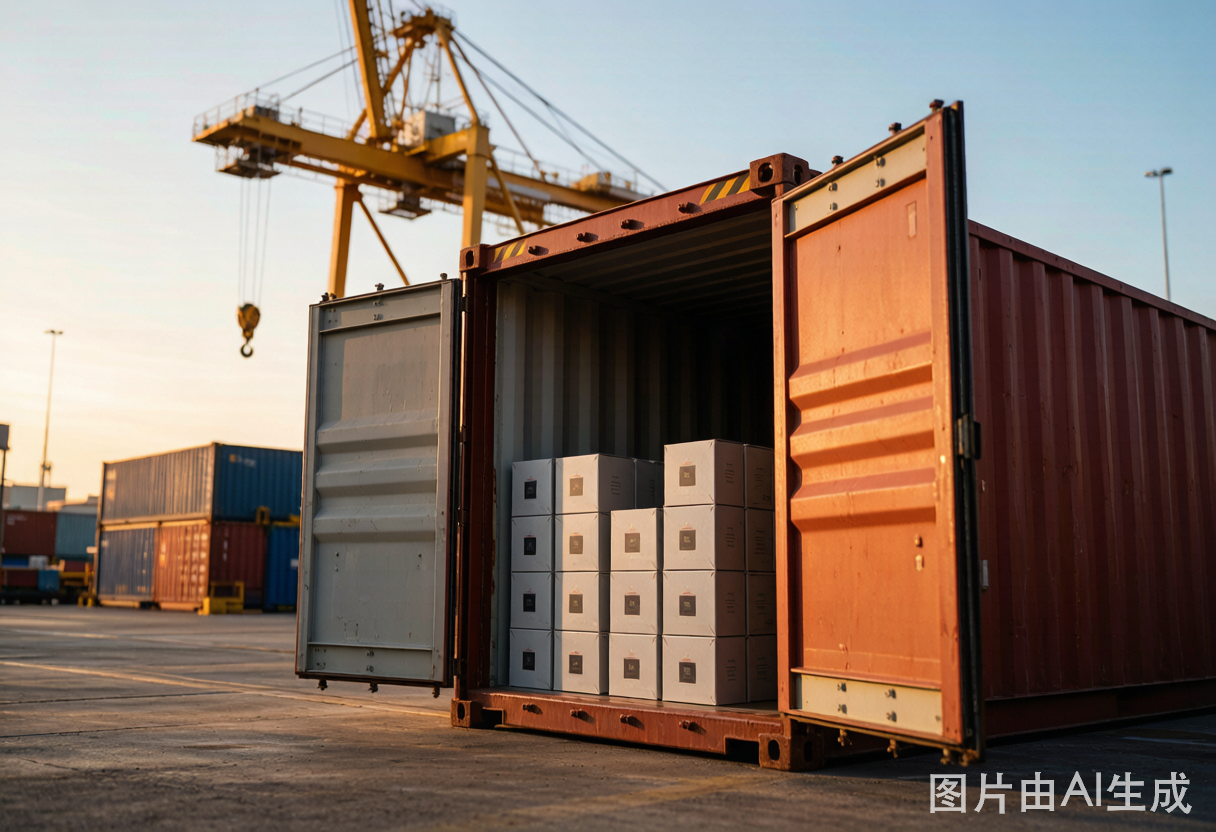
Formally the excise is paid by whoever introduces the product to the market — the manufacturer or importer. In practice the cost travels down the chain: the distributor adds margin on a higher base price, the wholesaler adds theirs, the shop adds theirs, and VAT is charged on a growing amount at every step. The compounding effect: the final price rises more than the tax rate itself.
The scale shows in the data: disposable sales started falling before 1 July 2025 — the market reacted to the announcement alone. Customers trade up to bigger models because cost per puff remains the main purchase argument.
What it does to shop margin — and how to plan
Excise increases are announced in advance, so they can be planned. Stocking up before a rate hike makes sense, but flavor rotation and shelf life limit it — freezing cash in a batch that will sit on the shelf costs more than the tax saving.
The practical model: smaller, more frequent top-ups from a local warehouse instead of giant monthly batches. The shelf stays full, cash keeps moving, and you raise prices gradually together with a supplier who announces changes ahead of time instead of surprising you on the invoice.
Frequently Asked Questions
Who actually pays the excise — the shop or the importer?
Formally, whoever introduces the product to the market. In practice the cost passes through the whole distribution chain into the shelf price — that is why you see the tax inside the wholesale price, not as a separate line.
Will prices keep rising?
The adopted schedule raises rates through 2027, and the 2026 amendment moves the same way — toward 50 zł per device and 2.20 zł/ml on liquid.
How do I protect margin with rising excise?
Smaller, more frequent top-ups from a local warehouse instead of freezing cash in one big batch — plus a supplier who announces price changes ahead of time.
Plan your buying around the excise schedule
A warehouse in Poland, repeatable prices and price changes announced ahead of time. Message us for the wholesale price list.