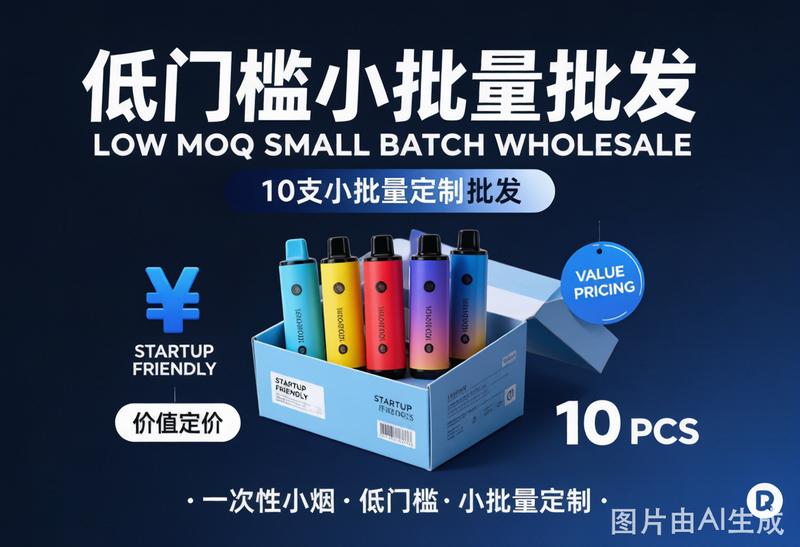
Where high MOQ comes from — and what it does to shops
Suppliers with long supply chains (import → wholesale → sub-wholesale) push risk downstream: they make you buy 1000 pcs because that suits their logistics. The shop is left with a shelf full of one flavor and a prayer that it rotates.
In practice a small shop with cash frozen in one position loses the ability to test anything else — and stalls.
How a 10-pcs test works
One box, one flavor, the cost of a test instead of the cost of a shelf. The flavor rotates in two weeks — you restock 50. It sits for a month — you drop it without regret. The risk of every experiment is capped at the price of one box, while market knowledge grows with each test.
When to scale: shelf signals
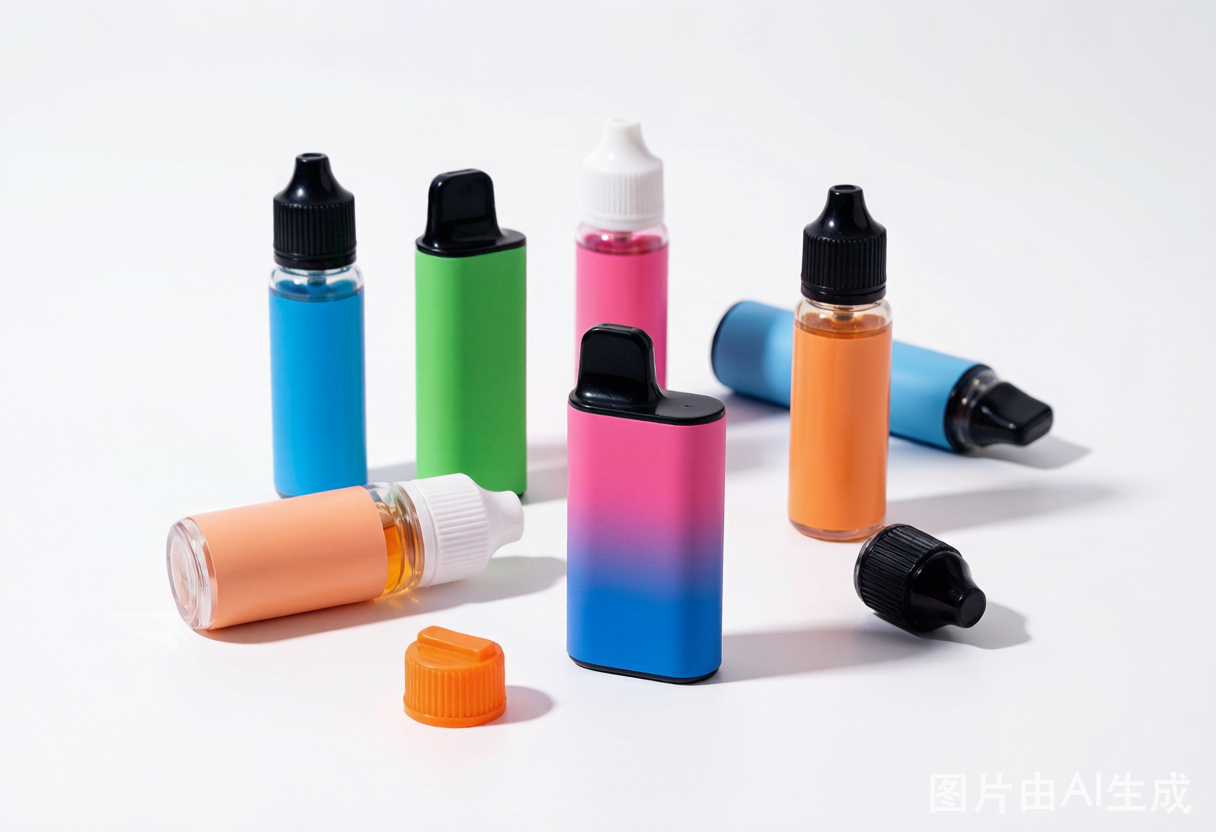
Two full turns a month on one flavor — a signal for 50-100 pcs. Repeatable weekly restocks for 4-6 weeks — grounds for a tiered-pricing conversation at 500 pcs. Scale on what already rotates, not on what brochures promise.
The math of information
Testing one 10-pcs new flavor a month, in a year you know the market better than the competitor who buys a pallet of the same thing once a year. In retail the edge is not having the lowest purchase price — it is knowing first what is moving.
Frequently Asked Questions
Does MOQ 10 apply to every flavor?
Yes — 10 pcs of one flavor; you can test different flavors in parallel, each from one box.
Does the price drop at 50 pcs?
Yes — volume tiers start at 10 and step down through 50, 100 and 500 pcs; details in the current price list.
How often can I test novelties?
As often as your rotation planning allows — each test is one box, so the pace is yours.
Start with one box
Pick a flavor to test — 10 pcs, 24-48h delivery, scale decisions after rotation.